 Lab Creator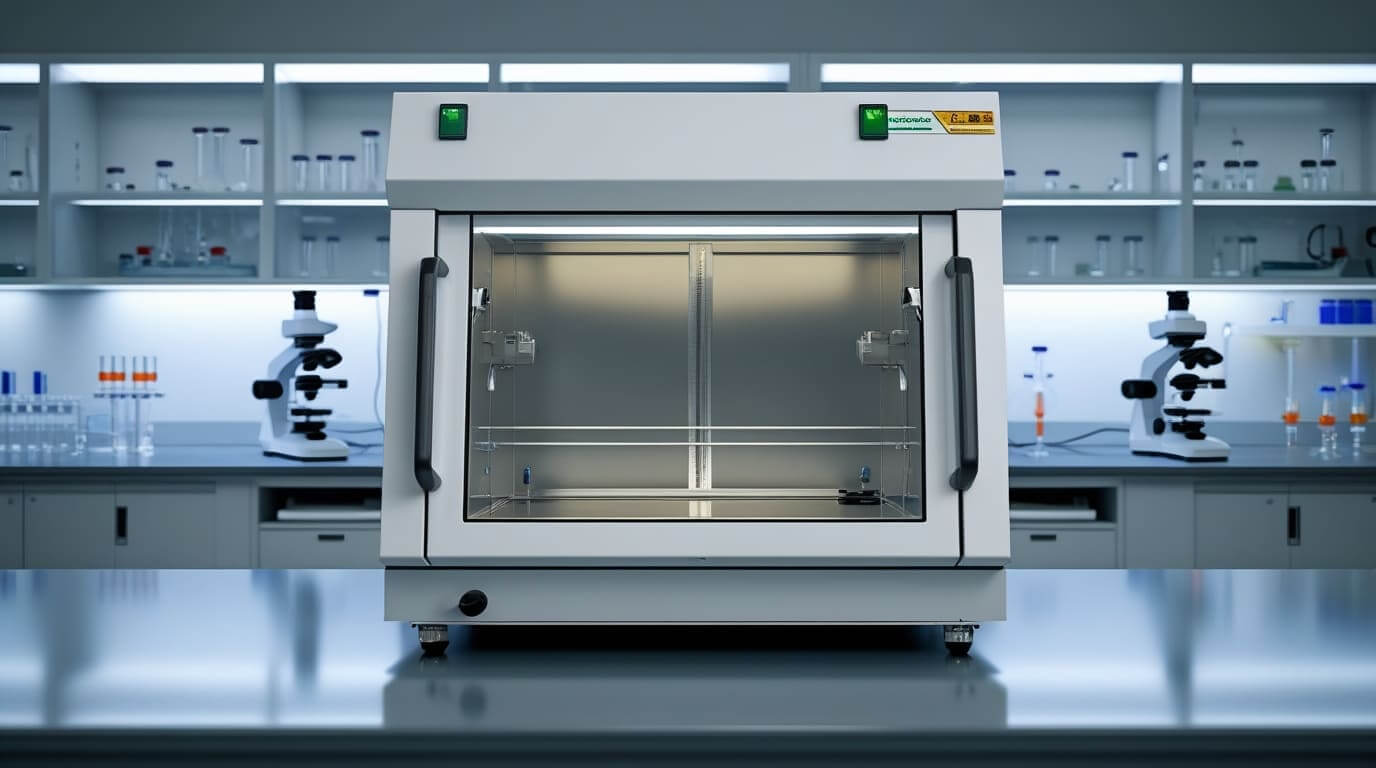
Maintaining a safe and sterile laboratory environment is essential in every research and diagnostic facility. One of the most critical tools that ensures biological safety is the biosafety cabinet (BSC). These cabinets protect both the laboratory personnel and the surrounding environment from hazardous biological agents. To maintain their performance and compliance, biosafety cabinet validation and certification must be carried out regularly by qualified professionals.
In this article, we’ll explain the step-by-step process of biosafety cabinet validation and certification, the importance of following NSF standards, and how accredited labs like NABL lab validation facilities ensure accurate and reliable testing.
You can also explore more about these services at chameza.in, labturnkey.in, and labcreator.in — leading experts in laboratory solutions and biosafety cabinet services in India.
Understanding Biosafety Cabinet Validation and Certification
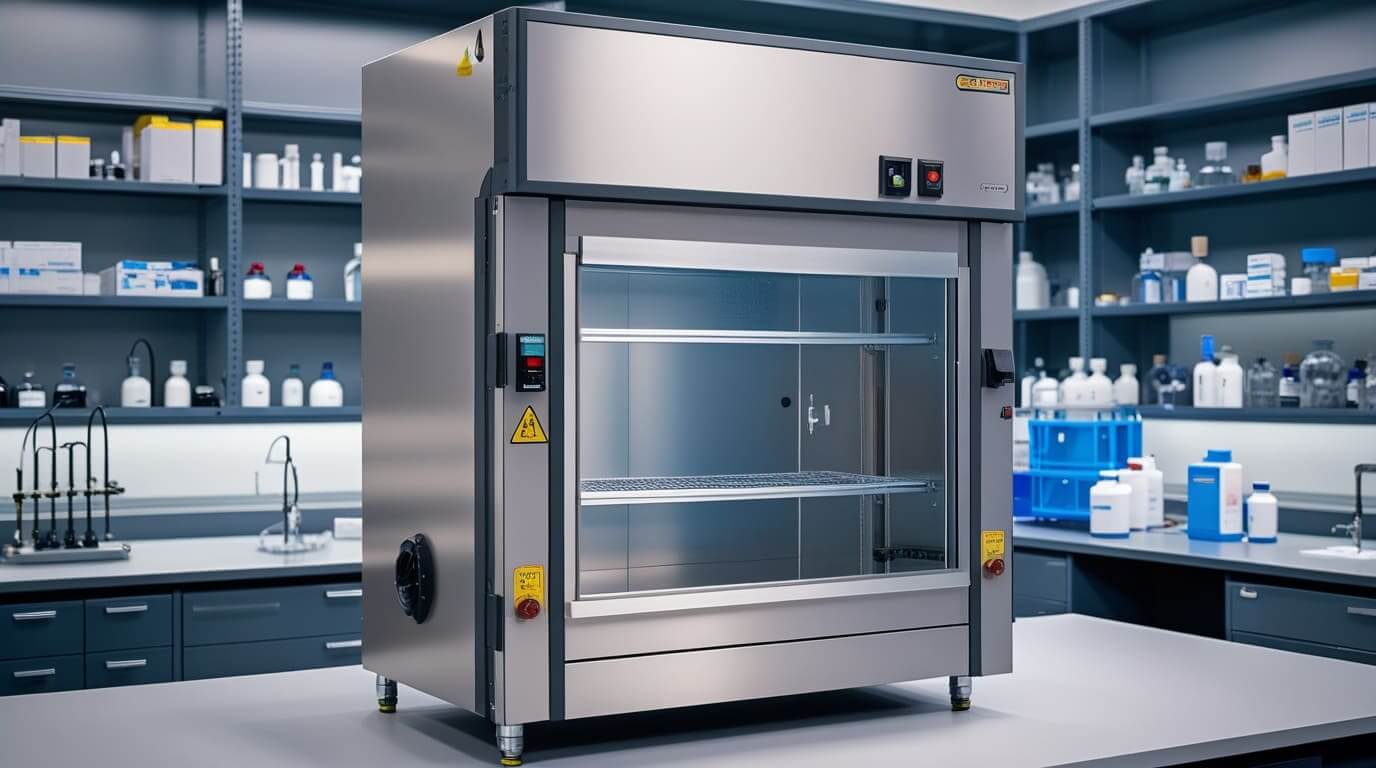
A biosafety cabinet is a ventilated enclosure designed to provide three levels of protection — personnel, product, and environment — during biological research and handling. Over time, filters may clog, airflow balance can change, and performance may degrade. That’s why biosafety cabinet certification India standards require periodic testing to ensure that the cabinet functions according to safety guidelines.
Validation is the process of testing and verifying that the biosafety cabinet is operating within the manufacturer’s specifications. Certification, on the other hand, is the formal acknowledgment that the cabinet meets national and international standards such as NSF standards (National Sanitation Foundation) and WHO guidelines.
Why Is Biosafety Cabinet Certification Important?
- Personnel Safety: Prevents exposure to infectious agents and hazardous materials.
- Product Protection: Ensures that biological samples or cultures remain uncontaminated.
- Environmental Safety: Controls the release of airborne contaminants into the laboratory.
- Regulatory Compliance: Meets the requirements of health and safety authorities and accreditation bodies such as NABL lab validation programs.
- Equipment Longevity: Regular validation ensures early detection of issues, reducing downtime and repair costs.
Step-by-Step Process of Biosafety Cabinet Validation and Certification
Below is the detailed process typically followed by certified service providers to validate and certify a biosafety cabinet:
Step 1: Pre-Inspection and Visual Examination
The process begins with a visual inspection of the biosafety cabinet. Technicians check for any physical damages, blockages, missing components, or wear and tear. The cabinet’s lighting, electrical outlets, and control panels are also tested to ensure functionality.
This step helps in identifying any obvious issues before moving on to performance tests.
Step 2: Verification of Installation Site
Proper installation is crucial for accurate airflow performance. The validation team verifies that the cabinet is placed away from air conditioning vents, doors, and high-traffic areas to avoid airflow disturbances.
In India, biosafety cabinet certification India services follow strict site evaluation guidelines to ensure optimal placement for safety and efficiency.
Step 3: Airflow Velocity Measurement
The airflow velocity within the biosafety cabinet determines its ability to contain and filter out contaminants. Technicians use calibrated instruments such as hot-wire anemometers to measure:
- Inflow velocity (air entering the cabinet)
- Downflow velocity (air flowing downward over the work surface)
These readings are compared with NSF standards to confirm that the airflow meets required performance levels. Deviations may indicate filter clogging or fan speed issues.
Step 4: HEPA Filter Integrity Test
The HEPA (High-Efficiency Particulate Air) filters are the heart of a biosafety cabinet. They capture particles as small as 0.3 microns with 99.97% efficiency. During validation, a PAO (Polyalphaolefin) or DOP (Dispersed Oil Particulate) test is performed to check filter integrity.
If leaks or damages are found, the filters must be replaced immediately to maintain containment efficiency.
Step 5: Smoke Pattern Test
This test visually demonstrates the airflow pattern inside the cabinet using smoke visualization tools. The smoke should move smoothly without backflow or turbulence. This confirms that air is correctly directed to protect both the operator and the sample.
The results of this test are recorded and included in the validation report.
Step 6: Downflow and Inflow Balance Test
To ensure that the cabinet maintains the correct balance between inflow and downflow air, specialized instruments are used. The test ensures that air is flowing properly into and out of the work zone without creating cross-contamination.
Maintaining this balance is a core requirement under NABL lab validation and certification procedures.
Step 7: Noise Level and Light Intensity Measurement
Comfort and efficiency also matter. The noise level inside the biosafety cabinet should not exceed 68 dB, and the light intensity on the work surface should be at least 800 lux. These parameters are measured using sound level meters and lux meters.
Step 8: UV Light Intensity and Alarm Function Test
If the cabinet is equipped with UV light, its intensity is measured to confirm proper sterilization capability. Additionally, all alarms and safety interlocks are tested to ensure they function correctly in case of system failure.
Step 9: Documentation and Certification Report
After all performance tests are completed, the technician prepares a detailed report that includes:
- Test results and measurement data
- Observations and corrective actions (if any)
- Compliance status with NSF standards and local regulations
Upon successful validation, the biosafety cabinet is affixed with a certification label indicating the date of testing, next due date, and service provider’s credentials.
How Often Should You Validate Your Biosafety Cabinet?
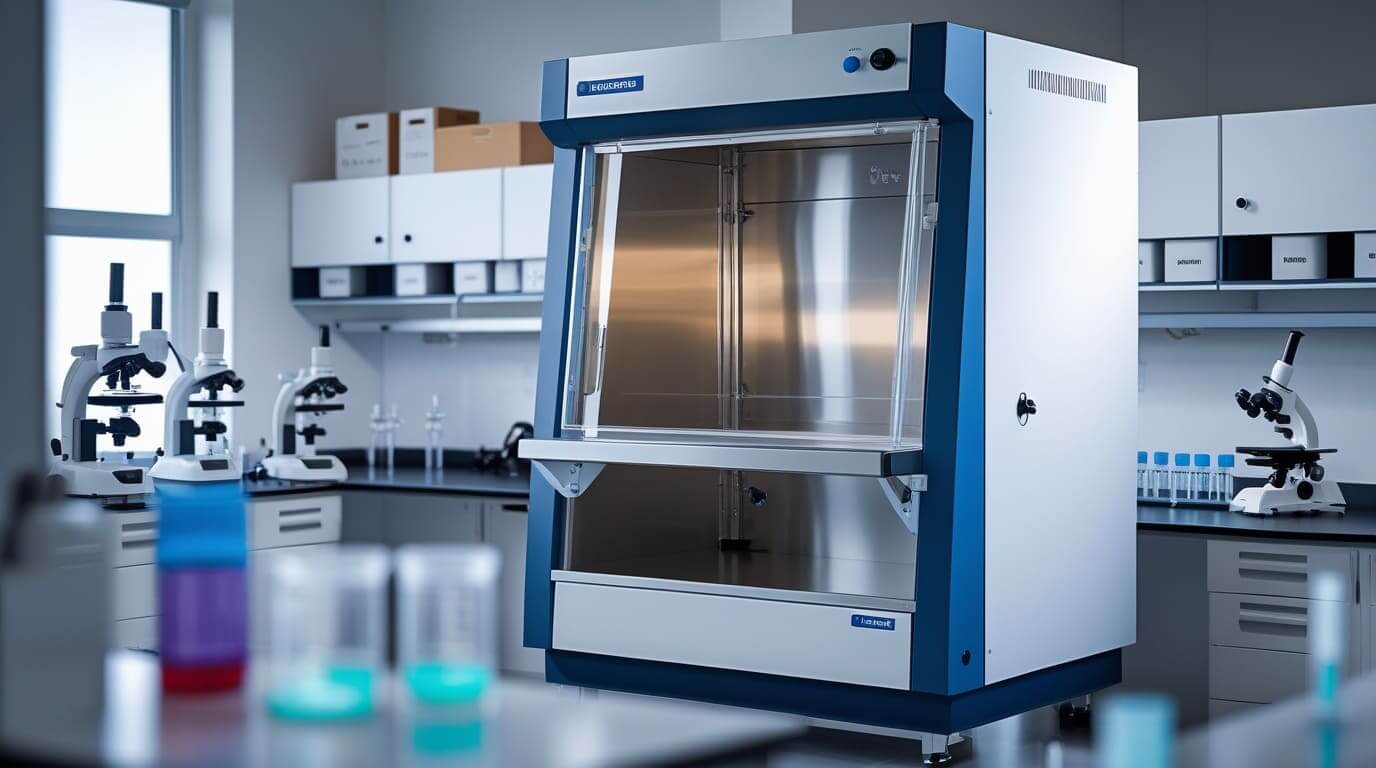
As per international and national guidelines, biosafety cabinets should be validated and certified:
- Annually (at minimum)
- After relocation to a new site
- After filter replacement or repair
- After significant maintenance work
Regular validation not only ensures compliance with biosafety cabinet certification India norms but also helps maintain consistent lab safety.
Choosing the Right Validation Partner
When selecting a service provider, ensure they are certified and recognized under NABL lab validation standards. Reputed companies such as chameza.in, labturnkey.in, and labcreator.in offer professional validation and certification services using advanced testing equipment and trained technicians.
Look for providers who:
- Use calibrated instruments traceable to national standards.
- Follow NSF standards and WHO biosafety guidelines.
- Offer comprehensive reports with traceable data and calibration certificates.
Conclusion
Biosafety cabinet validation and certification are not just regulatory requirements — they are vital for maintaining laboratory safety, accuracy, and credibility. Regular testing ensures that your equipment continues to provide the necessary protection for both operators and research materials.
Whether you run a diagnostic lab, pharmaceutical R&D center, or educational institution, partnering with trusted experts in biosafety cabinet certification India ensures your facility operates safely and in compliance with global standards.