 Lab Creator
The landscape of scientific research and industrial innovation in India is rapidly evolving, driven by increased investment in healthcare, biotechnology, education, and industrial R&D. At the heart of this transformation lies a robust ecosystem of laboratory infrastructure — powered by a diverse range of precision Lab Equipment’s. As India pushes toward becoming a global leader in innovation, understanding the future of laboratory tools and technologies is crucial for researchers, institutions, and Lab Equipment’s Suppliers alike.
In this article, we discuss the major Lab Equipment Trends in India that are shaping scientific work, industrial quality control, medical diagnostics, and academia. We also explore how the supply chain — particularly Lab Equipment’s Suppliers — is adapting to meet future demands.
1- Growing Demand for Smart and Automated Lab Instruments
One of the most noticeable trends in Indian laboratories is the shift toward automation and digital integration. Traditional instruments are being replaced or augmented with smart, connected versions that offer real-time data analysis, remote monitoring, and enhanced precision.
Automated sample processors, robotic arms for repetitive tasks, and AI-enabled analytical tools not only improve accuracy but also reduce human error and operational costs. With the increase in high-throughput workflows — especially in pharmaceutical and clinical labs — this trend is expected to continue.
For Lab Equipment’s Suppliers, this means stocking advanced digital systems and offering strong after-sales support, including software updates, calibration tools, and training services.
2- Emphasis on Portable and Point-of-Care Devices
The COVID-19 pandemic accelerated the adoption of point-of-care (POC) devices across India’s healthcare network, from urban centers to rural clinics. Portable diagnostic tools such as handheld PCR devices, rapid antigen analyzers, and compact blood analyzers have become indispensable.
This shift aligns with national goals to expand healthcare access and improve disease surveillance. In the coming years, the demand for compact, cost-effective medical lab instruments will only grow, influencing the broader domain of Lab Equipment Trends in India.
Lab Equipment’s Suppliers are now partnering with manufacturers of portable diagnostics, ensuring that even remote regions have reliable access to testing technologies. This expansion also presents opportunities for localized service hubs and region-specific product offerings.
3- Sustainability and Green Lab Technologies
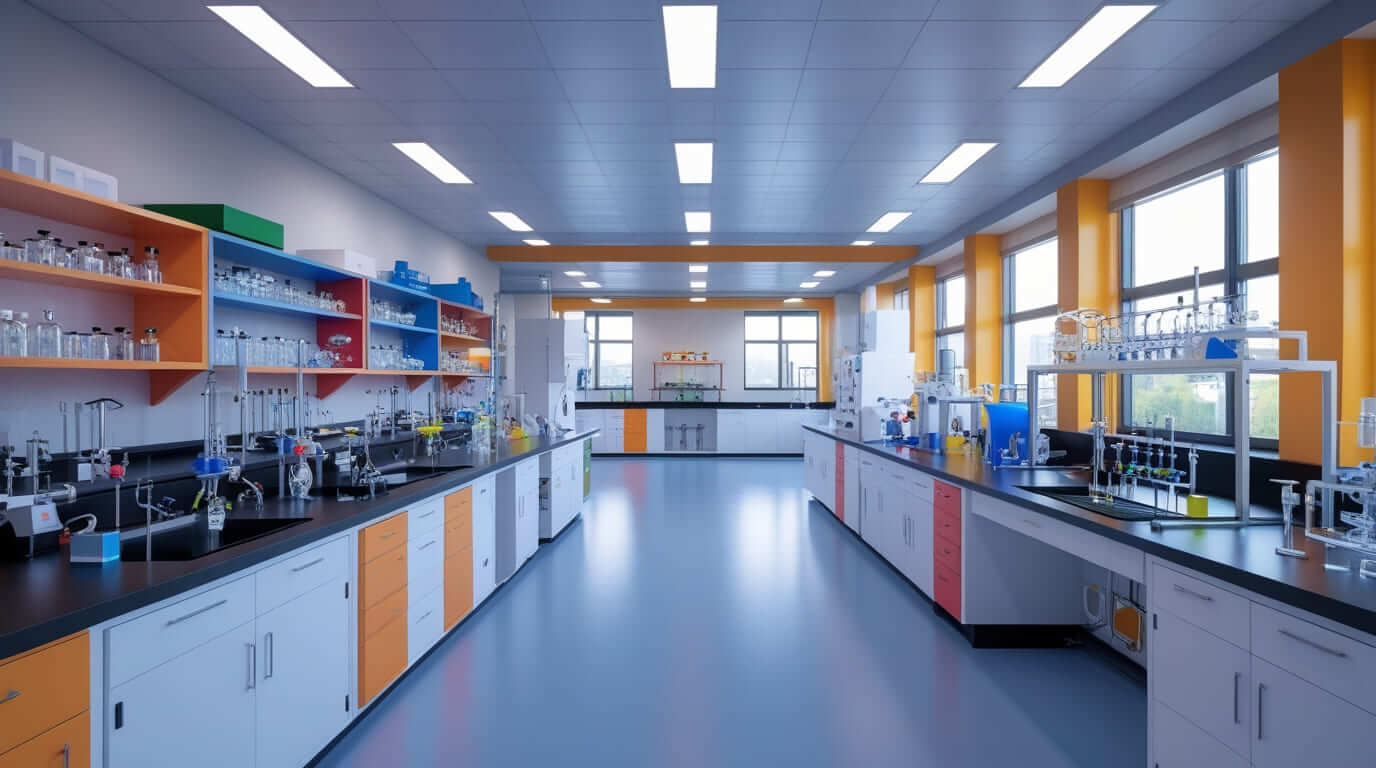
Sustainability has become a critical consideration across all sectors of scientific activity. Eco-friendly lab tools — such as energy-efficient autoclaves, low-consumption refrigerators, and equipment built with recyclable materials — are gaining traction.
India’s commitment to environmental goals and renewable energy frameworks is encouraging labs to adopt greener practices. This includes waste-minimizing consumables, solvent-free technologies, and equipment designed for longer life cycles.
Expect sustainability to remain a core part of Lab Equipment Trends in India, with Lab Equipment’s Suppliers increasingly promoting products that align with environmental certifications and energy-efficiency standards.
4- Integration of AI and Machine Learning in Analytical Equipment
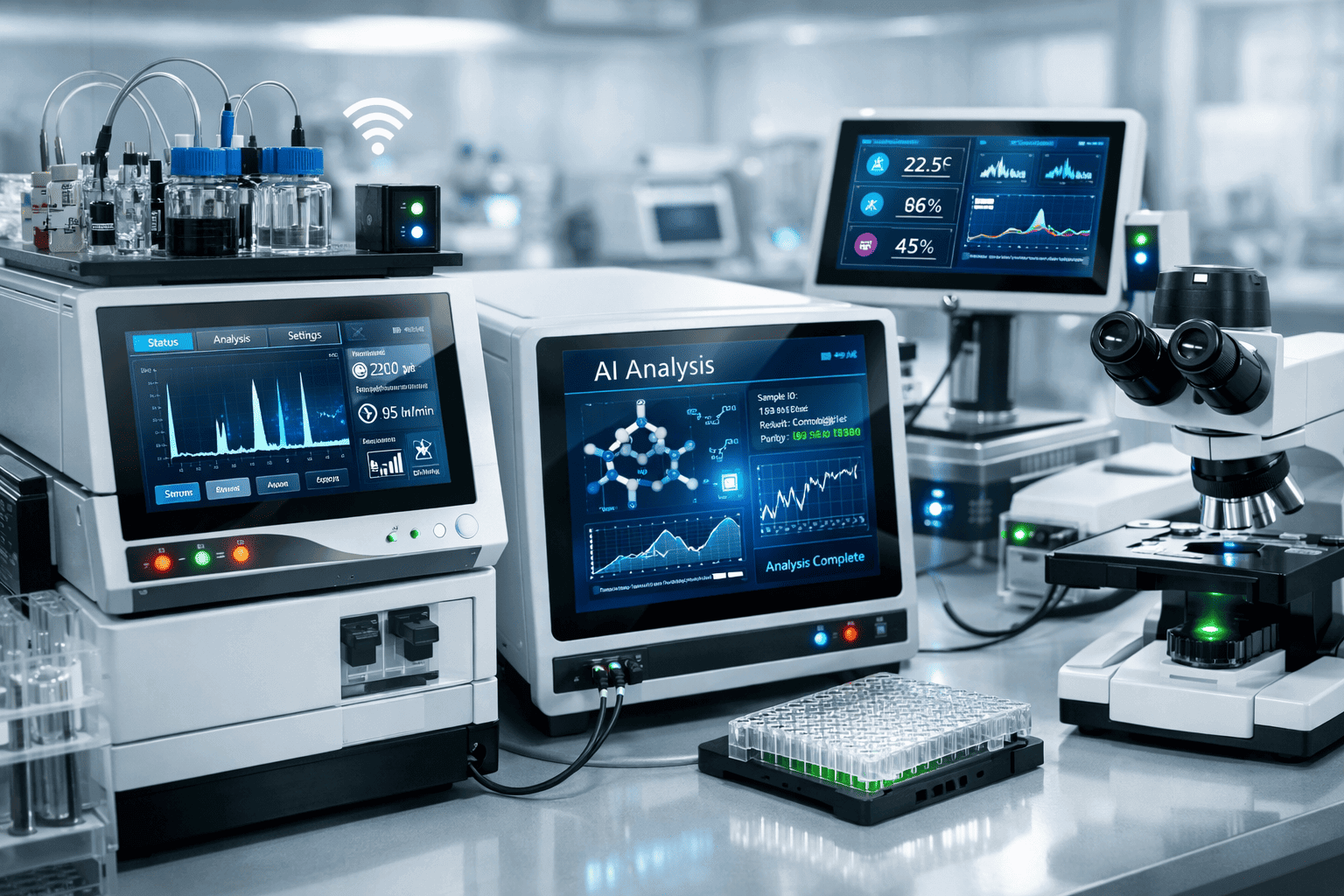
Artificial intelligence (AI) and machine learning (ML) are not just buzzwords — they are transforming how data is interpreted and decisions are made. In analytical chemistry instruments, automated pattern recognition, predictive maintenance alerts, and adaptive calibration processes are becoming standard features.
AI-enabled microscopes, spectrometers, and chromatography systems improve throughput and help researchers extract deeper insights from complex datasets. As India’s research institutions and industries embrace big data, AI integration will define future Lab Equipment Trends in India.
For Lab Equipment’s Suppliers, this trend requires collaborations with software developers, investment in digital service offerings, and continuous learning to support customers’ evolving needs.
5- Rise of Customized and Modular Lab Solutions
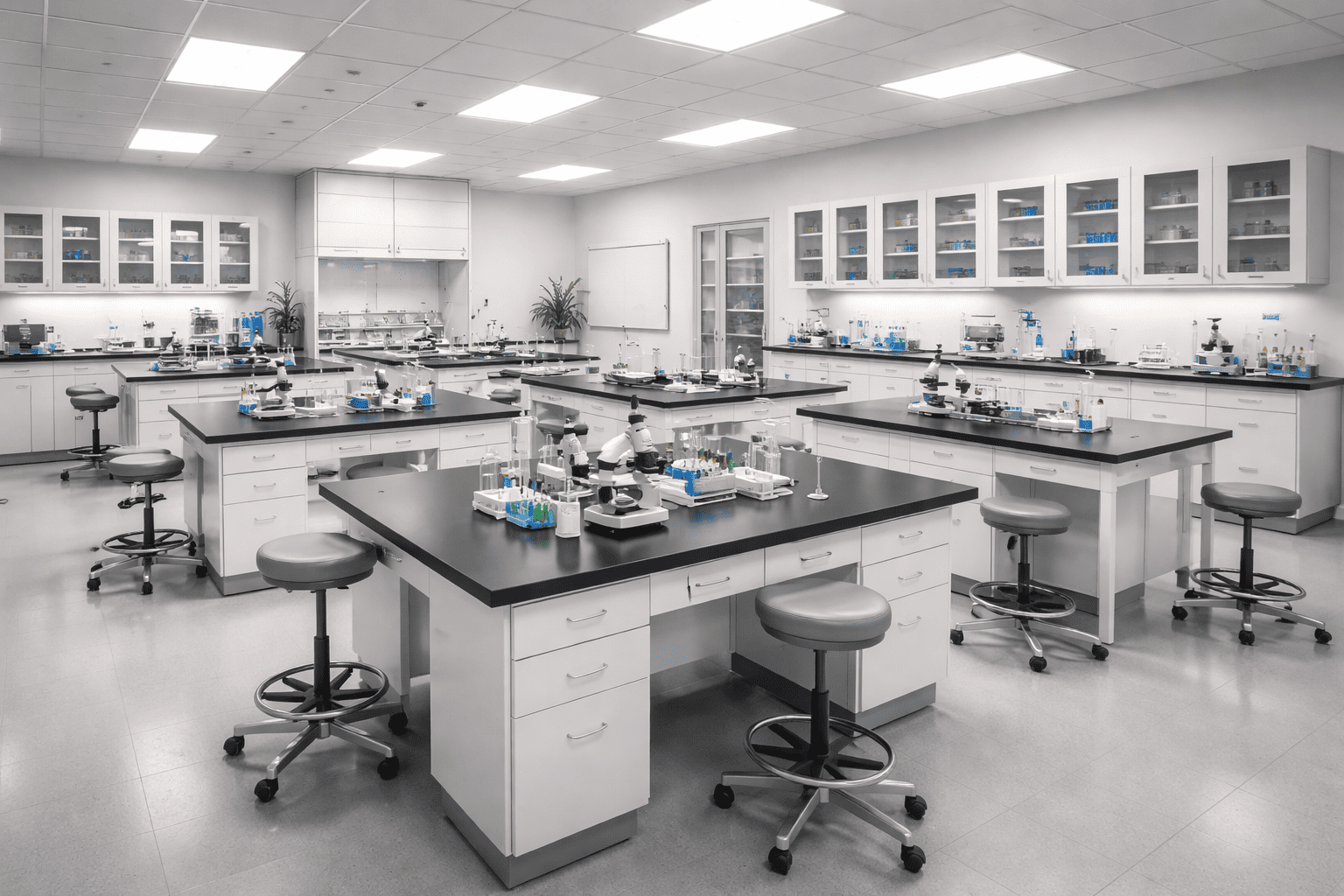
Flexibility is essential for modern laboratories that engage in multidisciplinary research. Modular lab systems — where instruments can be scaled, upgraded, or reconfigured — are in high demand. These systems increase efficiency and allow labs to adapt without complete overhauls of infrastructure.
Modular fume hoods, interchangeable analytical modules, and plug-and-play incubation units are examples of this trend. Customized solutions help institutions optimize space and budget, enhancing productivity.
With modular systems gaining popularity, Lab Equipment’s Suppliers must offer modular product lines and expert consultation services, guiding customers through tailored lab design and implementation.
6- Enhanced Focus on Safety and Compliance
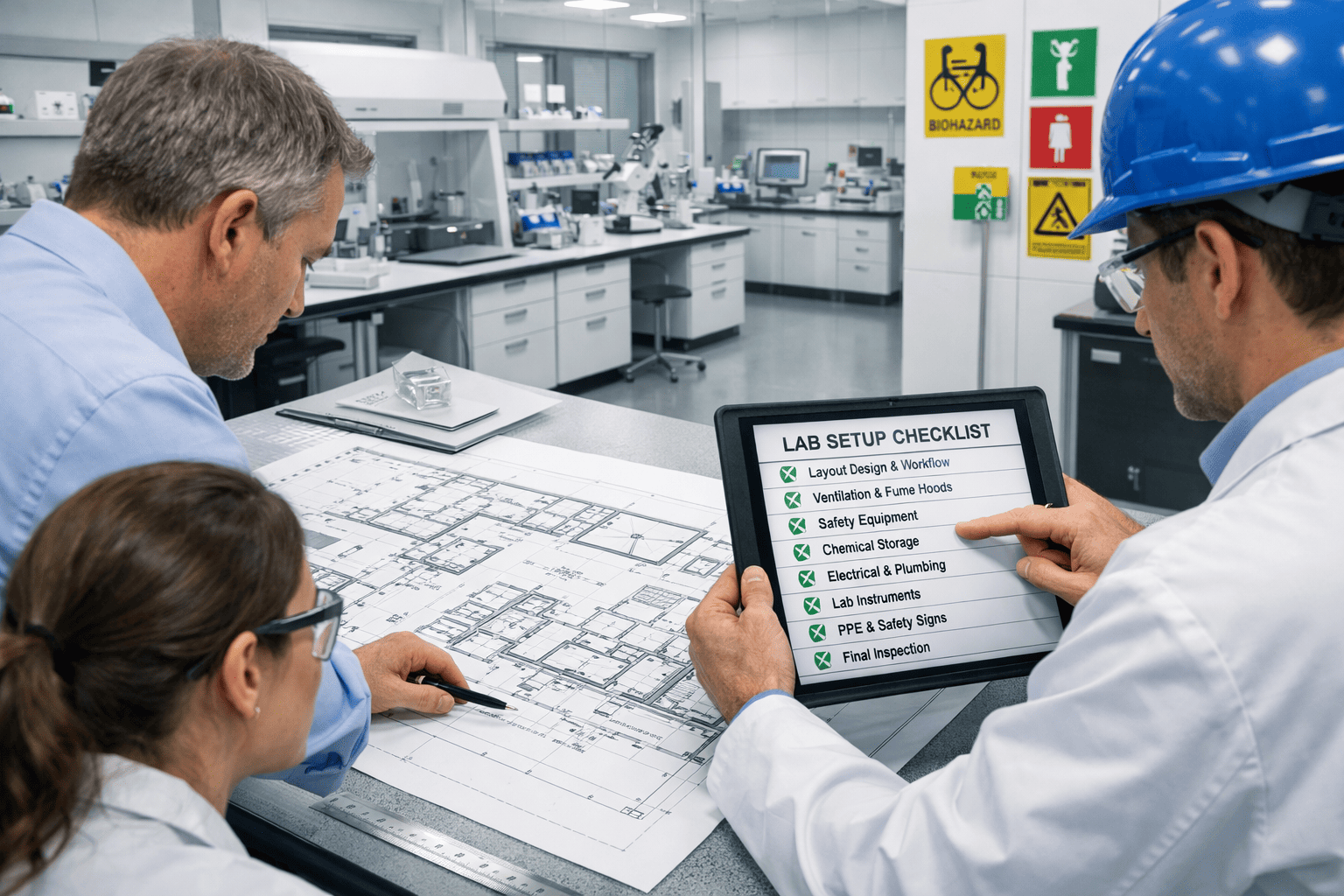
As research complexity increases, so does the emphasis on safety and regulatory compliance. Indian labs are adopting advanced safety equipment like automated ventilation systems, real-time hazard detectors, and ergonomic containment tools.
Compliance with international standards (ISO, CE, ASTM, etc.) is becoming more stringent across educational institutions, healthcare facilities, and research industries. This drives demand not only for compliant instruments but also for robust documentation and compliance support.
Safety-focused Lab Equipment’s and related services will continue to define market expectations, reinforcing quality assurance in operations.
7- Expansion of the Domestic Manufacturing Ecosystem
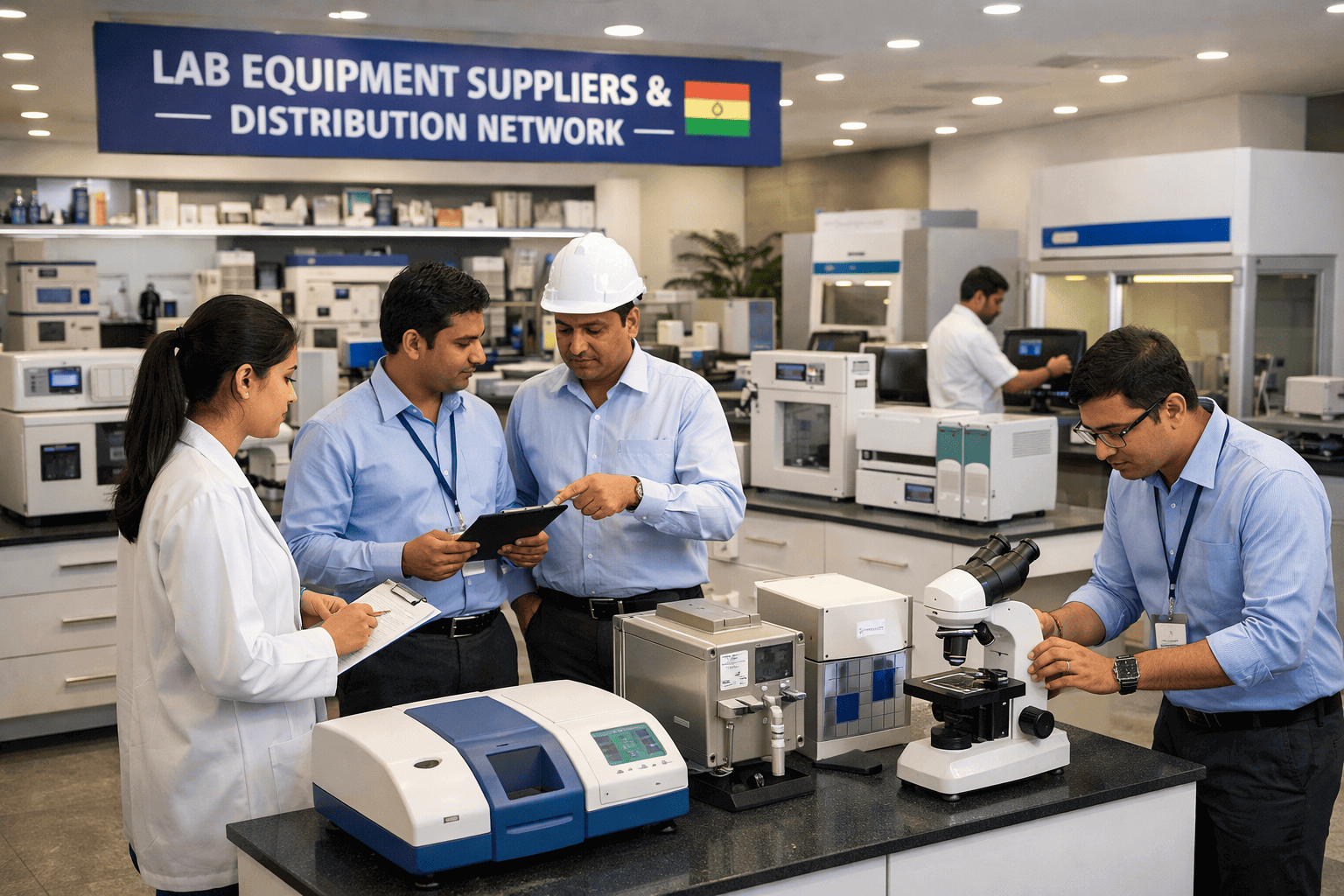
India’s “Make in India” policy has bolstered the domestic manufacturing of scientific instruments. Previously, many advanced lab tools were imported, contributing to longer lead times and higher costs. Now, local production of precision instruments — including spectrophotometers, incubators, and analytical balances — is on the rise.
This not only reduces dependency on imports but also encourages competitive pricing and faster servicing. Domestic manufacturing plays a significant role in shaping Lab Equipment Trends in India, particularly in affordable innovation tailored to Indian lab environments.
Local Lab Equipment’s Suppliers are strategically aligning with manufacturing partners to expand product portfolios and provide quicker delivery and support across the country.
8- E-Commerce and Digital Marketplaces for Lab Tools
E-commerce has revolutionized how products are sourced and delivered, and laboratory equipment is no exception. Online platforms now offer detailed specifications, comparison tools, customer reviews, and easier procurement processes. This is especially advantageous for educational institutions and startups with limited procurement expertise.
Digital marketplaces allow Lab Equipment’s Suppliers to reach a wider audience, optimize inventory, and streamline sales cycles. As Lab managers become more comfortable with online purchasing, digital platforms will dominate the procurement of Lab Equipment’s, accelerating transparency and price competition.
Conclusion: A Transformative Decade Ahead
The future of laboratory infrastructure in India is dynamic and promising. Driven by automation, AI integration, sustainability, and localized manufacturing, Lab Equipment Trends in India will continue to evolve rapidly in the coming years. Whether it is in healthcare, academia, or industry, cutting-edge lab tools will play a vital role in shaping scientific progress.
For Lab Equipment’s Suppliers, adapting to these trends means embracing technology, enhancing customer support, and fostering partnerships that streamline delivery and after-sales service. As the market matures, suppliers who stay agile, digitally enabled, and innovation-oriented will lead the way.
In summary, India’s laboratory ecosystem is on the cusp of transformative growth — a future powered by smarter, greener, and more accessible Lab Equipment’s for all.